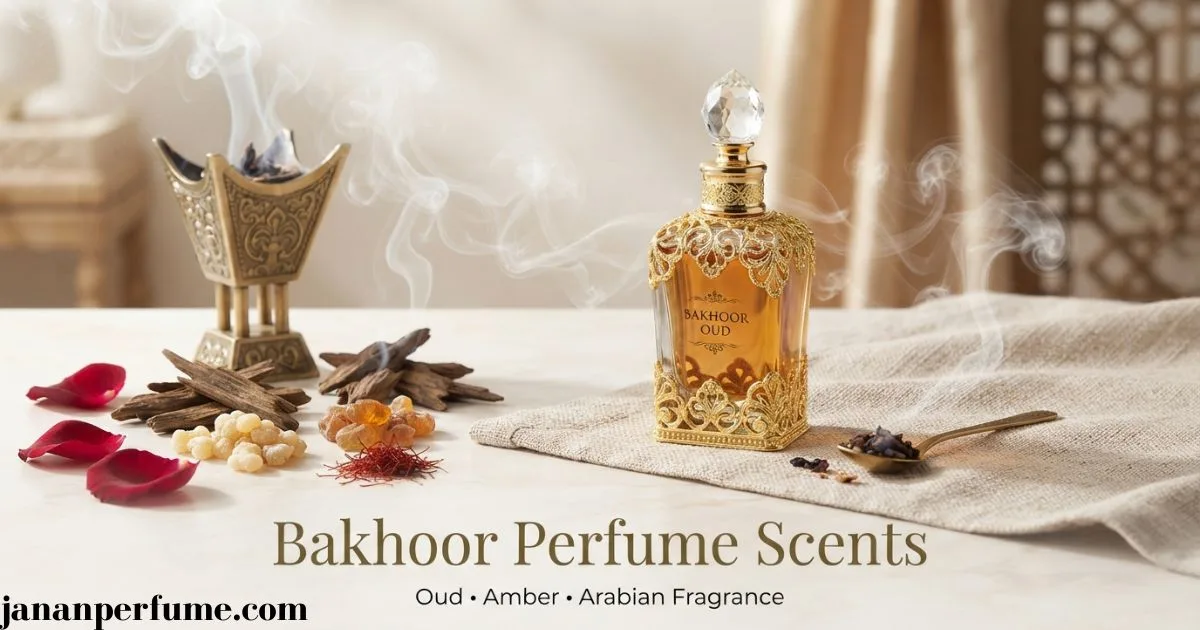
Bakhoor Perfume Scents, Uses & Arabian Fragrance Guide
Bakhoor perfume usually refers to the rich, smoky fragrance associated with traditional Arabian bakhoor, although traditional bakhoor itself is scented wood or incense rather than a skin spray. Its signature world includes oud, agarwood, amber, musk, rose, saffron, sandalwood, fragrance oils, and warm resins. For someone discovering Middle Eastern fragrance, that distinction matters because a burner, clothing ritual, and wearable bakhoor-inspired perfume create different experiences. After exploring Arabian fragrance traditions and comparing how modern bakhoor is described, I find the appeal comes from its atmosphere: warm, intimate, luxurious, and unmistakably memorable.
If you love oud perfume but want something deeper, or ordinary incense feels too sharp, bakhoor perfume can bridge those worlds beautifully. Traditional bakhoor creates home fragrance through fragrant smoke, while bakhoor-inspired perfume translates that character into a wearable scent. The key is understanding scent profile, fragrance notes, incense, perfume oils, longevity, oud, amber, and musk before choosing. This guide explains what bakhoor means, what it smells like, how people use it, which profiles suit different rooms, and what beginners should know before buying or burning it.
What Is Bakhoor? Bakhoor Perfume Explained
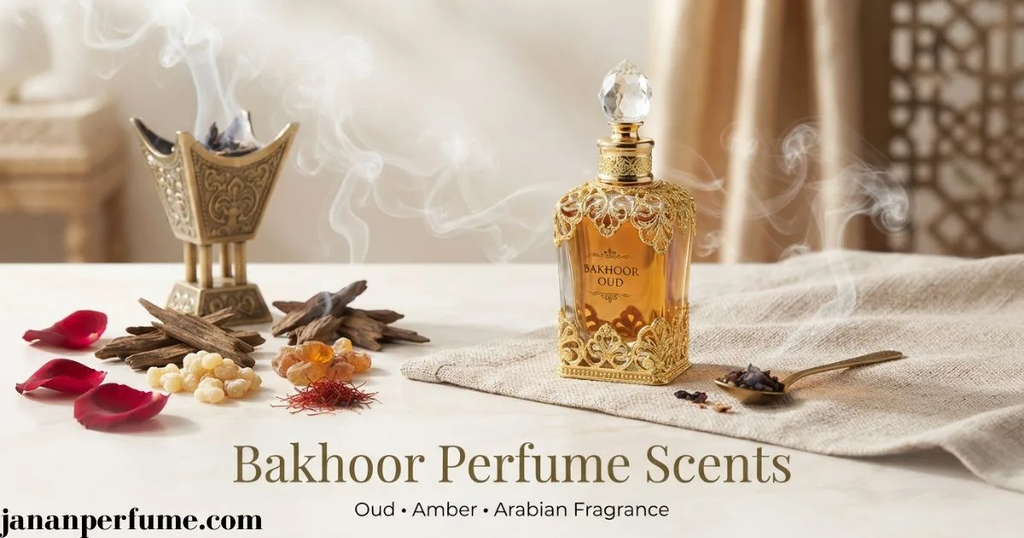
Bakhoor is a traditional Arabian incense made from scented wood chips or prepared solid blends infused with fragrance oils, resins, and aromatic materials. Common ingredients include oud, agarwood, sandalwood, amber, musk, rose, and spices. Unlike eau de parfum, traditional bakhoor is heated rather than sprayed directly onto skin.
The phrase “bakhoor perfume” creates confusion because it can describe two related but different products. Traditional bakhoor scents a room, clothing, or hair through heat and aromatic smoke. A bakhoor-inspired perfume is a wearable fragrance formulated to reproduce its warm, woody, smoky, resinous character without requiring charcoal or an incense burner.
| Feature | Traditional Bakhoor | Bakhoor-Inspired Perfume |
| Format | Solid incense | Liquid fragrance |
| Main use | Home, clothing, hair | Personal fragrance |
| Application | Heated | Sprayed or applied |
| Character | Smoky, woody, resinous | Bakhoor-style fragrance |
| Burner needed | Usually | No |
| Skin application | Not intended | Designed for skin when formulated as perfume |
Bakhoor also has a wider cultural meaning than simply “incense.” Across Arabian fragrance traditions, it can be associated with hospitality, gatherings, clothing, home preparation, and special occasions. Modern perfume houses increasingly translate those materials into contemporary sprays, creating an easier entry point for American fragrance lovers who appreciate oud and Middle Eastern perfume styles.
What Does Bakhoor Smell Like? Bakhoor Perfume Scent Profile
Bakhoor does not have one fixed smell. The scent depends on its wood, fragrance oils, resins, spices, and floral materials. A classic blend may feel warm, smoky, woody, sweet, resinous, and slightly musky, while another may emphasize rose, saffron, vanilla, amber, or sandalwood. That variety makes bakhoor more of a fragrance family than a single aroma.
Oud-heavy bakhoor tends to smell darker, deeper, and more woody, while rose bakhoor can feel softer and more floral. Amber and vanilla introduce sweetness; musk creates a smooth, lingering effect; saffron adds warm spice. When converted into bakhoor perfume, these same ideas may become smoother and easier to wear because the fragrance is delivered without burning wood or charcoal.
Common Bakhoor Scent Profile
| Note or accord | Typical impression |
| Oud | Deep, woody, resinous |
| Rose | Floral, rich, elegant |
| Amber | Warm, sweet, golden |
| Musk | Soft, clean, persistent |
| Saffron | Spicy, warm, slightly leathery |
| Sandalwood | Creamy, smooth, woody |
| Vanilla | Sweet, comforting |
| Frankincense | Resinous, aromatic, slightly fresh |
The best way to understand bakhoor perfume is to stop expecting one universal scent. One blend may remind you of a luxurious Arabian hotel, another of warm woods and roses, while a sweeter composition can resemble a rich oriental perfume. Current fragrance communities also describe bakhoor as noticeably different from conventional incense because the scent comes from a prepared fragrance composition rather than simply burning a bare stick.
Types of Bakhoor Bakhoor Perfume Scent Families
Bakhoor can be organized by its dominant fragrance character rather than by one universal formula. Common families include woody oud, floral rose, clean musk, sweet gourmand, amber-rich, and spicy blends. Understanding these categories makes shopping easier because you can start with scents you already enjoy instead of buying blindly.
Woody oud profiles suit people who want a powerful Arabian character, while floral bakhoor works better for those who prefer rose or jasmine. Sweet blends featuring vanilla or caramel can feel approachable to beginners. Clean musk is lighter, and amber or saffron creates a warmer, more luxurious atmosphere. Modern bakhoor perfume follows many of these same scent families.
Popular Bakhoor Styles
Oud bakhoor: Deep, woody, smoky, and resinous.
Floral bakhoor: Rose and jasmine create a softer, more elegant character.
Musk bakhoor: Clean, powdery, warm, and often easier for everyday use.
Amber bakhoor: Rich, warm, sweet, and enveloping.
Sweet bakhoor: Vanilla, caramel, honey, or gourmand accords create a comforting effect.
Spicy bakhoor: Saffron, cardamom, cinnamon, or other spices add warmth and complexity.
These profiles also help when selecting a wearable bakhoor perfume. If you already enjoy oud fragrances, start with an oud-forward composition. If you prefer modern floral perfume, a rose-and-musk profile may feel more familiar. The goal is not to choose the strongest scent; it is to choose the fragrance family that matches your taste and the setting where you will use it.
How to Burn Bakhoor at Home Bakhoor Perfume Ritual
Traditional bakhoor is generally heated on charcoal or with an electric incense burner. With charcoal, the coal should become properly ashed before a small amount of bakhoor is added. The aim is controlled heat and fragrance rather than excessive smoke. Electric burners provide another option for people who prefer convenience, lower smoke, and easier intensity control.
Start with a small amount because bakhoor can become overpowering quickly. Let the fragrance spread naturally instead of continuously adding chips. Clothing can be exposed to the scented air from a safe distance, but fabric should never touch the hot burner. Ventilation is important because burning incense contributes indoor particulate matter.
Electric burners for a softer, simpler ritual
Electric burners are convenient for apartments, bedrooms, offices, and first-time users because they avoid charcoal and open flame. They allow gradual heating and easier control over intensity. A small amount of bakhoor is usually enough to test the scent, especially when the blend contains concentrated oud, amber, or perfume oils.
Charcoal for a traditional, fuller aroma
Charcoal creates the classic bakhoor ritual and can produce a fuller, more dramatic fragrance. Place the charcoal in a suitable heat-safe mabkhara, allow it to become gray or ash-covered, and then add a small amount of bakhoor. Never leave burning charcoal unattended or near curtains, paper, children, or pets.
The U.S. Environmental Protection Agency recommends proper ventilation when burning incense indoors because incense is a source of indoor particulate matter. That makes moderation especially important in smaller rooms.
Choosing Bakhoor for Your Home Bakhoor Perfume Guide
Choose bakhoor according to the atmosphere you want rather than simply choosing the strongest fragrance. Oud, amber, saffron, sandalwood, and warm musk can create a rich evening mood, while rose, jasmine, white musk, and soft vanilla may feel gentler in bedrooms or quiet spaces. Fresh woods and lighter musks can work well during daytime.
Room size matters, too. A dense oud blend may feel beautiful in an open living room but overwhelming in a small bedroom. If you live in an apartment, lighter compositions and an electric burner can provide more control. For gifting, a balanced rose, musk, amber, and oud composition is often a safer starting point than an extremely smoky or animalic blend.
| Setting | Suitable fragrance direction |
| Living room | Rose, amber, balanced oud |
| Guest gathering | Oud, saffron, amber |
| Bedroom | Soft musk, rose, vanilla |
| Office | Clean musk, light woods |
| Evening | Oud, amber, sandalwood |
| Spring/Summer | Floral, clean musk, fresh woods |
| Fall/Winter | Oud, amber, spice, vanilla |
A good bakhoor perfume follows the same principle. Think about the mood first, then the notes. Fragrance should make the space or wearer feel comfortable, not simply announce itself as loudly as possible.
Best Bakhoor for Guests, Majlis and the Bedroom Bakhoor Perfume
For guests and gatherings, traditional deep oud or oud-and-amber bakhoor creates the most recognizable Arabian atmosphere. The fragrance can settle into curtains, upholstery, and clothing, producing a welcoming trail after the visible smoke disappears. For mixed groups, a balanced rose-and-oud or musk-and-amber profile may be easier to enjoy.
Bedrooms call for more restraint. Soft musk, rose, gentle vanilla, or lighter floral compositions can create warmth without overwhelming a small space. If using traditional bakhoor, burn it earlier and allow the room to air before sleeping. For a wearable bakhoor perfume, choose moderate projection rather than an intensely smoky profile.
Best Bakhoor Smell for Clothes Bakhoor Perfume
Bakhoor is especially appealing for clothing because fragrance can cling to fabric after the burning session ends. Musk, amber, oud, and resinous compositions tend to create a noticeable lingering impression. Traditionally, garments may be passed through the scented air rather than placed directly above the burner.
Never expose delicate clothing directly to heat or dense smoke. Keep the garment at a safe distance and allow fragrance to settle gradually. Darker oud-and-amber blends can create a beautiful signature on traditional garments, scarves, jackets, and other textiles, but lighter floral profiles may be preferable for everyday clothing.
This clothing connection also explains why bakhoor can feel different from ordinary room fragrance. Instead of disappearing immediately, the aromatic profile can become part of the fabric environment. That lingering quality is one reason the tradition remains closely connected with hospitality, preparation, celebrations, and personal grooming.
Best Bakhoor Smell for Hair and Body Bakhoor Perfume
Bakhoor is traditionally used to scent hair and clothing, but smoke should never be treated like a conventional perfume spray. Keep hair away from heat and allow only a gentle amount of scented air to pass through. A soft rose, musk, or floral blend is generally easier to control than an extremely dense oud composition.
If your goal is to smell like bakhoor without smoke, a wearable bakhoor-inspired perfume is the simpler option. Apply it according to the fragrance manufacturer’s directions, usually to pulse points or other recommended areas. This creates the bakhoor-inspired character without requiring an incense burner, charcoal, or exposure to combustion.
For people discovering Arabian fragrance for the first time, this distinction can make the experience much easier. Traditional bakhoor is an environmental fragrance ritual, while perfume is personal. You can enjoy both, but they should not be treated as identical products or applied in identical ways.
Best Bakhoor for Beginners Bakhoor Perfume
If you are new to bakhoor, avoid choosing solely by price or intensity. Start with a balanced scent family such as soft rose, clean musk, gentle amber, or a moderate oud blend. These profiles help you understand how bakhoor develops without immediately overwhelming your room.
Electric burners are also a practical introduction if charcoal feels complicated. If smoke is the main reason you are hesitant, a bakhoor-inspired perfume may be even easier. It gives you access to oud, amber, musk, rose, and smoky-woody fragrance ideas in a familiar wearable format.
A beginner-friendly strategy is simple: choose one scent family, use a small amount, observe how it develops, and then decide whether you prefer floral, woody, sweet, musky, or smoky profiles. Once you know what your nose enjoys, exploring more traditional and concentrated bakhoor becomes much easier.
How Long the Scent Lasts Bakhoor Perfume
Bakhoor longevity varies significantly with formulation, quantity, heat, ventilation, room size, fabric, and the ingredients used. The active burning period is not the same as the time you can smell the fragrance afterward. A small session may finish quickly while the scent remains noticeable in fabrics and furnishings for considerably longer.
Oud, amber, musk, and resinous blends often create a more persistent impression than very light floral compositions. Storage also matters. Keep bakhoor sealed and protected from excessive heat, sunlight, and humidity so its fragrance oils retain their character.
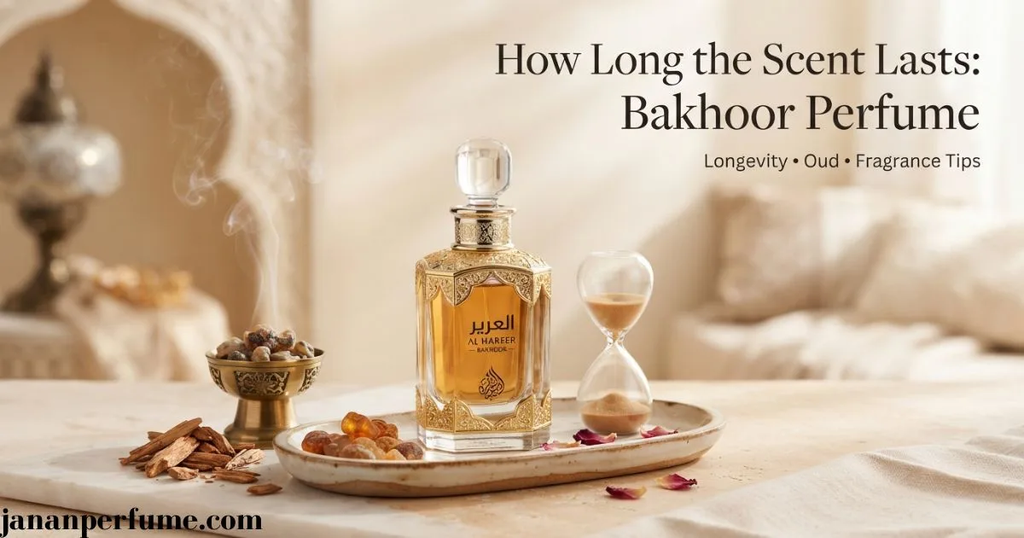
For bakhoor perfume, longevity follows conventional fragrance variables such as concentration, formula, skin chemistry, weather, and application. Do not assume that a perfume described as “bakhoor” will last exactly as long as the traditional incense. The two formats release fragrance differently and should be judged independently.
How Bakhoor Shaped Arabic Perfume Bakhoor Perfume Connection
Bakhoor belongs to a broader fragrance tradition built around aromatic woods, oils, resins, flowers, and spices. Its relationship with oud is particularly important: agarwood can serve as a material in incense and perfumery, while bakhoor itself is a prepared fragrant blend. CITES documentation also identifies agarwood as a traded material used in incense and perfumery.
That relationship helps explain why many Arabic perfumes feel naturally connected to bakhoor. Oud, amber, musk, rose, sandalwood, saffron, and incense accords frequently appear across both worlds. Modern bakhoor perfume essentially translates some of that environmental fragrance character into a format designed for personal wear.
The connection is also cultural rather than merely olfactory. Bakhoor has traditionally been associated with welcoming guests, preparing clothing, gatherings, celebrations, and creating a fragrant home. Modern perfume does not replace those traditions; instead, bakhoor-inspired fragrances give contemporary wearers another way to experience their characteristic warmth, depth, and richness.
Conclusion
Bakhoor perfume is worth exploring if you enjoy warm, woody, smoky, resinous, and distinctly Arabian fragrance styles. The most important thing is understanding the difference between traditional bakhoor and wearable bakhoor-inspired perfume. One creates an atmosphere through heat and aromatic smoke; the other translates that character into a personal fragrance.
For beginners, start with a balanced scent family such as rose, musk, amber, or moderate oud. If you want the traditional ritual, learn to use a burner carefully and keep ventilation in mind. If you simply want the luxurious character of bakhoor on your skin, choose a properly formulated bakhoor-inspired perfume. Either way, the beauty of bakhoor perfume lies in its ability to turn fragrance from something you simply wear into something you remember.
FAQs
What is bakhoor perfume?
Bakhoor perfume can mean a wearable fragrance inspired by traditional bakhoor, especially its oud, amber, musk, smoky, woody, and resinous character. Traditional bakhoor itself is different: it is a solid incense blend designed to be heated rather than sprayed directly onto the skin.
Is bakhoor the same as oud?
No. Oud generally refers to agarwood or fragrance materials derived from it, while bakhoor is a prepared incense composition that may contain oud along with oils, resins, woods, flowers, and spices. In simple terms, oud can be an ingredient; bakhoor is the finished scented incense.
What does bakhoor smell like?
Bakhoor commonly smells warm, woody, smoky, resinous, sweet, and aromatic, but there is no single universal profile. Oud, rose, amber, musk, saffron, sandalwood, vanilla, and spices can significantly change the final scent.
Can you wear bakhoor as perfume?
Traditional bakhoor should not simply be rubbed onto the skin. If you want a wearable version, choose a product specifically formulated and labeled as a bakhoor-inspired perfume or fragrance. It will reproduce aspects of the traditional scent without requiring combustion.
Is bakhoor safe to burn indoors?
Burning bakhoor requires care because charcoal and incense smoke create heat and airborne particles. Use a suitable burner, maintain ventilation, keep it away from flammable materials, children, and pets, and never leave burning charcoal unattended. The EPA recommends ventilation when burning incense indoors.
Can bakhoor scent clothes?
Yes. Scenting clothing is one of the traditional uses associated with bakhoor. Allow scented air to pass around garments from a safe distance rather than exposing fabric directly to heat. Oud, amber, and musk-based blends can leave a particularly noticeable fragrance on textiles.
What is the best bakhoor for beginners?
A balanced rose, musk, amber, or moderate oud blend is a good starting point. If charcoal and smoke feel inconvenient, an electric burner or wearable bakhoor-inspired perfume can provide an easier introduction to the fragrance style.
Does expensive bakhoor smell better?
Not automatically. Price can reflect materials, formulation, wood quality, fragrance oils, packaging, and sourcing, but personal preference matters. A less expensive rose or musk blend may smell better to you than a much costlier, intensely smoky oud composition.
One Comment