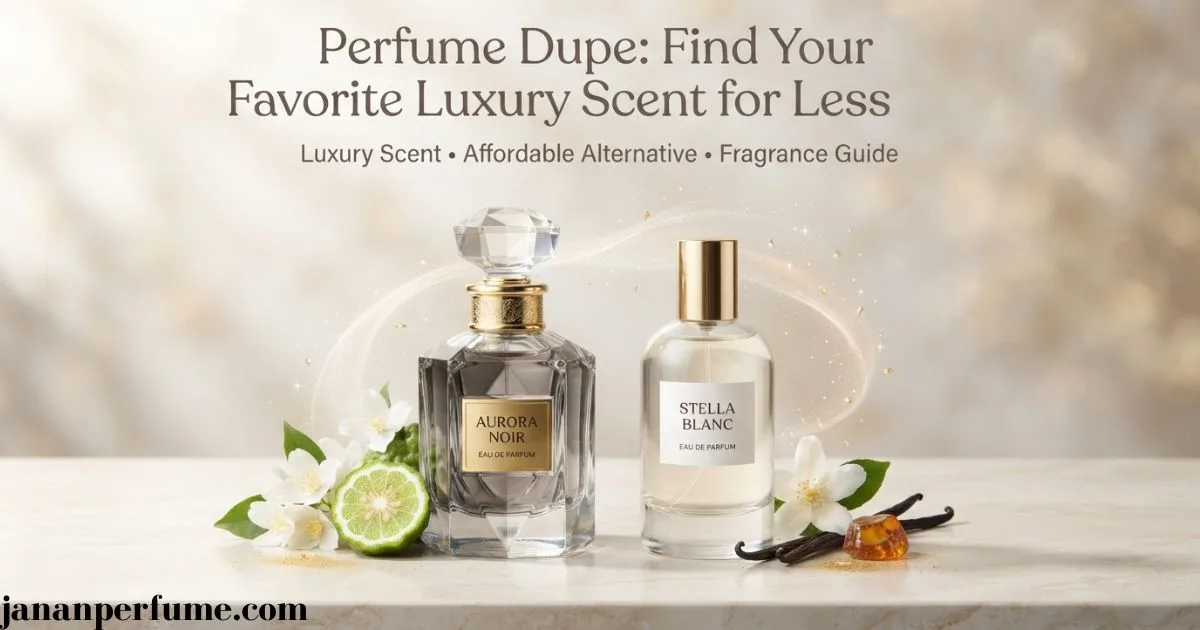
Perfume Dupe Find Your Favorite Luxury Scent for Less
A perfume dupe is an independently made fragrance designed to smell similar to a more expensive designer or niche perfume. It offers fragrance lovers a way to explore familiar scent profiles, from fresh citrus and woody musk to sweet vanilla and amber, without paying luxury-brand prices.
Choosing the right alternative, however, takes more than finding a low price. Two perfumes may share similar notes but differ in their opening, dry-down, projection, and longevity. This guide explains how perfume dupes work, how to compare popular alternatives, and how to choose an affordable fragrance that suits your personal style and budget.
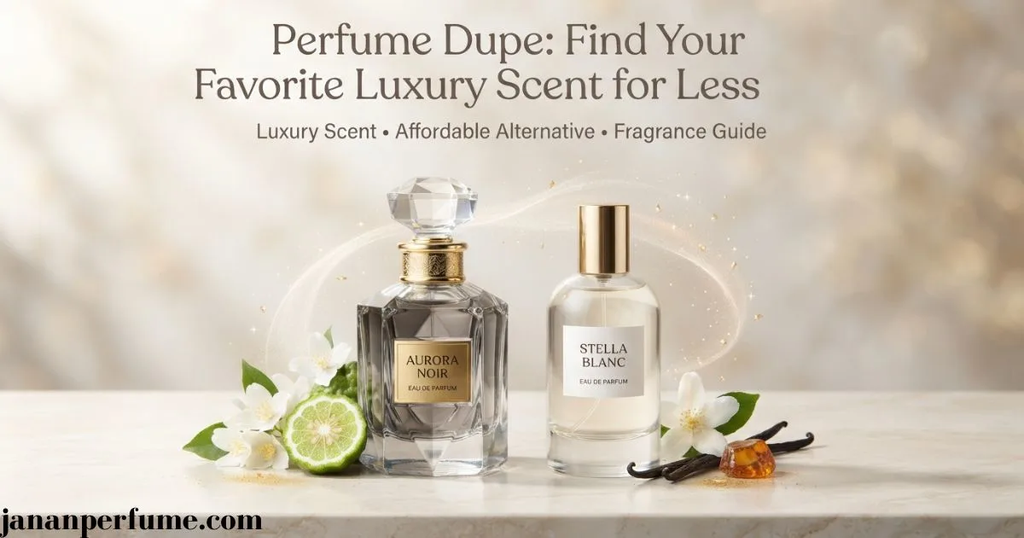
What is a perfume dupe?
A perfume dupe is a fragrance created to evoke the scent profile of another perfume. It may share recognizable accords, such as bergamot, vanilla, rose, saffron, amber, or sandalwood, while using its own formulation and packaging. The goal is a similar olfactory experience, not necessarily an exact reproduction.
The term is also different from counterfeit perfume. A legitimate alternative is sold under its own brand and identity, whereas a counterfeit falsely presents itself as an authentic designer product. Before purchasing, check the manufacturer, ingredients information, seller reputation, and return policy rather than judging authenticity by the scent alone.
Best perfume dupes for women 2026
When looking for women’s perfume dupes, start with the fragrance family you enjoy instead of relying entirely on a popular comparison chart. Sweet gourmand fragrances, powdery florals, fresh citrus scents, and woody musks create very different impressions. Your ideal alternative should fit your taste, climate, and everyday routine.
For example, someone who loves coffee, white florals, and vanilla might explore alternatives inspired by YSL Black Opium. Someone drawn to airy amber, saffron, and woody sweetness might investigate fragrances inspired by Baccarat Rouge 540. These are scent-profile starting points, not guarantees that a particular alternative will smell identical.
| Original fragrance | Scent characteristics to look for | What to compare |
| Baccarat Rouge 540 | Airy amber, saffron-like warmth, woody sweetness | Sweetness, transparency, dry-down |
| YSL Black Opium | Coffee, vanilla, white florals | Coffee intensity, creamy sweetness |
| Gucci Bloom | White florals, jasmine, tuberose | Floral realism, green facets |
| Jo Malone Wood Sage & Sea Salt | Mineral freshness, woods, aromatic notes | Freshness, softness, staying power |
| Viktor & Rolf Flowerbomb | Sweet florals, warm gourmand facets | Floral balance, sweetness, projection |
These are comparison directions rather than independently verified exact matches. Fragrance formulations, prices, and availability can change, so test the specific alternative before purchasing a full bottle.
Best perfume dupes for men 2026
Men’s perfume dupes cover everything from bright citrus and aromatic herbs to smoky woods, spices, leather, and warm vanilla. Fresh woody fragrances can work well for offices and daytime wear, while richer amber, tobacco, and spicy compositions may feel more suitable for cool evenings or special occasions.
Dior Sauvage and Creed Aventus are useful examples when exploring popular men’s fragrance profiles. For a fresh aromatic scent, look for citrus, pepper, lavender, and woody amber. For a fruity smoky profile, explore pineapple, birch-like woods, musk, and oakmoss-style accords. Compare the full scent journey instead of judging the first spray alone.
| Original fragrance | Profile to explore | Useful comparison criteria |
| Dior Sauvage | Fresh citrus, pepper, aromatic notes, woody amber | Brightness, spice, dry-down |
| Creed Aventus | Fruity freshness, smoky woods, musk | Fruit quality, smoke, complexity |
| Tom Ford Oud Wood | Spiced woods, smooth woody warmth | Wood character, spice, smoothness |
| Tom Ford Tobacco Vanille | Tobacco, vanilla, warm spices | Sweetness, tobacco character, depth |
| Bleu de Chanel | Citrus, aromatic woods, fresh sophistication | Versatility, freshness, woody finish |
These profiles help narrow your search, but they do not establish that any named alternative is a precise match.
The illusion of luxury pricing: What are you actually paying for?
The price of a luxury perfume reflects more than its liquid. Packaging, brand heritage, distribution, advertising, retail margins, ingredient choices, and creative development can all contribute to the final price. An independent fragrance brand may operate with different costs and offer a similar scent direction at a lower retail price.
That does not mean every expensive perfume is overpriced or every affordable alternative is equally good. Originality, formulation, ingredient quality, and artistic complexity can matter to enthusiasts. A lower-cost fragrance may offer excellent value if you enjoy wearing it, even when its development and dry-down differ from the luxury version.
| Comparison factor | Designer or niche perfume | Affordable alternative |
| Brand identity | Established brand story and recognition | Independent or alternative brand identity |
| Packaging | May feature custom bottles and premium presentation | Often simpler or more standardized |
| Scent profile | Original composition or signature interpretation | Inspired by a recognizable scent direction |
| Price | Can include premium positioning and distribution costs | Often positioned for budget-conscious buyers |
| Performance | Depends on the individual fragrance | Depends on the individual fragrance |
| Value | Personal enjoyment, artistry, brand, and quality | Personal enjoyment and value for money |
There is no universal rule that one category lasts longer or smells better. Compare actual products at their intended retail prices and test them under similar conditions before deciding which offers better value.
The science of scent: How do they make it smell the same?
Perfume creation combines chemistry with artistic evaluation. A perfumer works with aroma materials to build an opening, heart, and base that evolve over time. Instrumental methods such as gas chromatography–mass spectrometry (GC-MS) can help analyze volatile compounds, but an analytical result alone does not provide a complete creative recipe for reproducing a perfume.
A successful fragrance alternative must also be evaluated by smell. Small differences in ingredient balance, material quality, concentration, and formulation can change the final impression. One perfume may open with sharper citrus before becoming smooth and woody; another may emphasize sweetness from the beginning. That is why side-by-side testing is more useful than a similarity percentage by itself.
The final difference: The art of the perfumer
Even when two fragrances share many recognizable notes, they may differ in texture, balance, and evolution. A citrus opening can feel brighter, a floral heart can become more prominent, or a woody base can turn sweeter on the skin. These differences are often what separate a pleasant alternative from a convincing personal favorite.
The secret to smoothness: Maceration
Maceration and maturation are terms used in perfume production, although their precise meaning and duration can vary by manufacturer. Allowing a formulation to rest can help it settle before evaluation or bottling. It is not a universal fix for a poorly made fragrance, and leaving a purchased bottle in a closet does not guarantee stronger performance.
The global dupe landscape: A fair comparison of the best brands
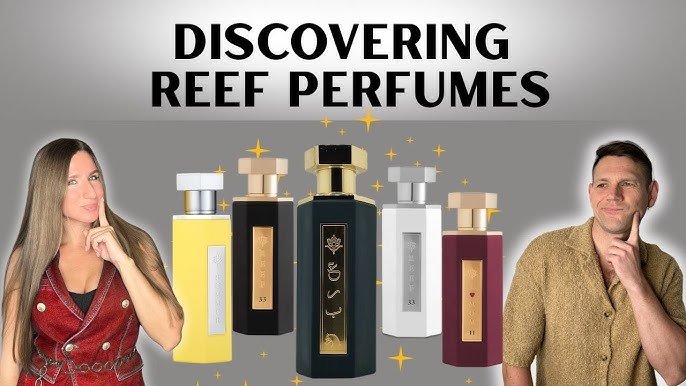
The fragrance-alternative market includes Middle Eastern perfume houses, independent clone specialists, fashion retailers, and brands that sell inspired fragrances directly to consumers. Names frequently discussed by fragrance enthusiasts include Armaf, Lattafa, Afnan, Dossier, ALT Fragrances, and Montagne Parfums. Each brand has different collections, pricing, distribution, and scent styles.
Rather than choosing a brand because it is trending on social media, evaluate the individual fragrance. Read reviews that describe specific notes and performance, look for comparisons with the original, and check whether the reviewer has actually tested both. Sponsored content and affiliate links do not automatically make a review unreliable, but transparent disclosures help you judge its independence.
| Alternative category | Potential advantages | What to check |
| Middle Eastern fragrance houses | Broad selection of fresh, sweet, spicy, and woody profiles | Authentic seller, scent balance, performance |
| Dedicated alternative brands | Comparisons organized around familiar designer scents | Formulation differences, return policy |
| Mainstream budget fragrances | Convenient availability and easy sampling | Concentration, longevity, availability |
| Independent perfume makers | Distinct interpretations and niche-style options | Ingredient transparency, seller credibility |
The best brand is the one that offers a fragrance you enjoy at a price you consider fair. No manufacturer should be assumed to create a perfect dupe of every designer scent.
The ultimate masterclass: Affordable alternatives to designer giants
Start by identifying the part of a fragrance you love most. Is it a juicy fruit opening, an airy amber accord, a creamy vanilla base, or a smooth woody finish? Once you know the defining characteristics, you can compare alternatives more effectively and avoid buying fragrances simply because their packaging or marketing promises a near-perfect match.
For example, a shopper who likes Baccarat Rouge 540 may prefer an alternative that emphasizes airy amber and saffron-like warmth. Another shopper may prefer a sweeter, creamier interpretation. Both could be enjoyable, but neither should automatically be described as identical. Fragrance is subjective, and the balance between notes often matters more than the number of shared ingredients.
The fresh and smoky profile: Creed Aventus
If you enjoy fruity woods, investigate fragrances featuring pineapple-like fruitiness, citrus, smoky woods, and musk. Some Aventus-inspired alternatives lean brighter and more lemon-forward, while others emphasize sweetness or woods. Compare the opening and dry-down separately, since an alternative can resemble the original after several minutes without matching its initial spray.
The blue aromatic profile: Dior Sauvage and Bleu de Chanel
These fragrances represent popular fresh, aromatic, woody directions, but they are not interchangeable. When shopping for an alternative, compare citrus brightness, peppery notes, aromatic freshness, and the woody-amber finish. A good match for your taste may be less sharp, less sweet, or softer than the original while still serving the same everyday purpose.
The airy amber profile: Baccarat Rouge 540
Look for an airy, sweet, amber-woody impression with saffron-like warmth and a distinctive transparent quality. Some alternatives emphasize sugary sweetness, while others feel more woody or musky. Do not assume a fragrance is a close match solely because a seller mentions amber, saffron, or cedar; the proportions and overall balance create the impression.
The dark woody profile: Tom Ford Oud Wood and Tobacco Vanille
These two scents suit different preferences within the warm fragrance family. Oud Wood leans toward smooth, spiced woods, while Tobacco Vanille centers on tobacco-like warmth, vanilla, and sweetness. Choose an alternative according to the profile you want, and compare whether the woods feel dry, creamy, smoky, or medicinal.
Expert tips: How to make your cologne last longer
Fragrance performance depends on the formula, concentration, skin, application, weather, and environment. Start with clean skin and consider an unscented moisturizer if your skin is dry. Apply a moderate amount, let the fragrance dry naturally, and avoid rubbing your wrists together. These simple habits make it easier to assess a perfume without unnecessarily changing how it develops.
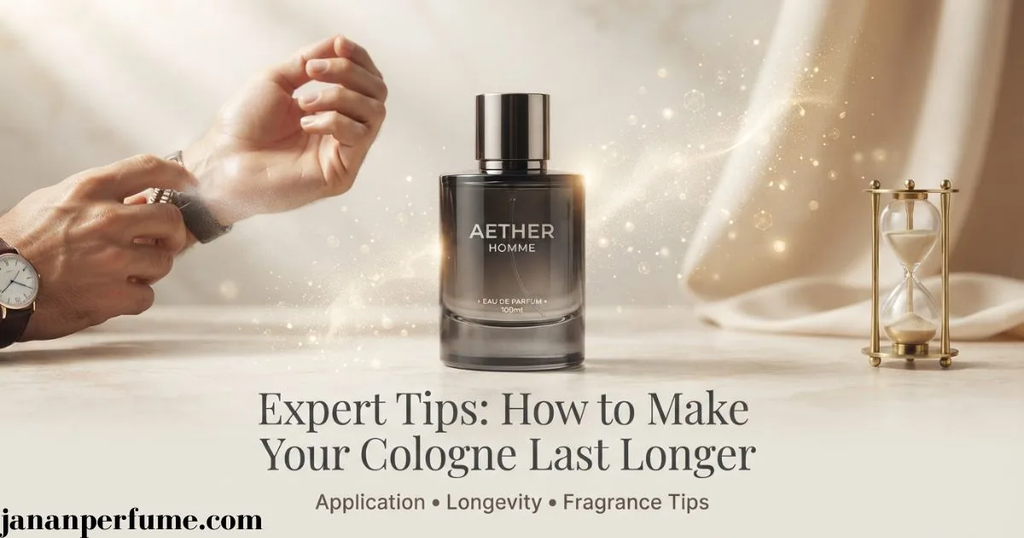
Clothing can retain scent differently from skin, but test a small, hidden area first because some perfume formulas can stain or damage delicate materials. Do not judge longevity solely by whether you can smell the perfume on yourself; olfactory adaptation can make a fragrance less noticeable to the wearer while it remains detectable to others.
For a fair comparison, spray the original and its alternative in separate test sessions or on different testing strips. Record the opening, heart, dry-down, projection, and approximate time until the scent becomes faint. This gives you a more useful comparison than repeatedly spraying both fragrances at once.
Conclusion
A good perfume dupe can make a familiar luxury scent profile more accessible without requiring you to spend designer prices. The smartest choice is not necessarily the cheapest bottle or the one advertised as a perfect clone. It is the fragrance that matches your preferences, performs well for your needs, and offers genuine value. Compare the scent notes, test the opening and dry-down, check seller credibility, and sample before buying whenever possible. With a little patience, you can build a versatile fragrance collection that feels personal, enjoyable, and affordable.
FAQs
Are perfume dupes worth it?
They can be worth it if you want a similar fragrance experience at a lower price. The best value depends on how closely the alternative matches your preferred scent, how much you enjoy wearing it, and how it performs. Test samples before committing to a full bottle whenever possible.
What is the difference between a perfume dupe and a counterfeit?
A legitimate dupe is sold as its own product and offers a fragrance inspired by another scent. A counterfeit misrepresents itself as an authentic branded item. Check the packaging, seller, brand identity, and product information, especially when an online offer seems unusually cheap.
Do perfume dupes last as long as the original?
Sometimes they last longer, sometimes less, and sometimes about the same. Longevity depends on the specific formula, concentration, application, skin, and conditions. Eau de Parfum is not automatically longer-lasting than every Eau de Toilette, so compare real performance rather than relying on concentration labels alone.
What are the best perfume dupes for men?
Popular starting points include alternatives inspired by Creed Aventus, Dior Sauvage, Bleu de Chanel, and Tom Ford Oud Wood. The right choice depends on whether you prefer fruity woods, fresh aromatics, spicy notes, or a smooth woody scent. Sample individual fragrances before deciding.
How can I find a perfume dupe for my favorite fragrance?
Identify the original perfume and note its main scent characteristics. Search for alternatives from established brands, read reviews that compare both fragrances, and check sample availability. Compare the opening, dry-down, longevity, and projection before purchasing a full-size bottle.
Are cheap perfume dupes safe to use?
Price alone does not establish safety. Buy from reputable sellers, follow the product’s directions, and review its ingredient and allergen information where available. Fragrance can cause irritation or allergic reactions in some people, so stop using a product if it causes a reaction.
Is a perfume dupe the same as a fragrance clone?
The terms often overlap in everyday fragrance discussions. Both can describe a scent intended to resemble another perfume. However, brands may use these terms differently, so evaluate the actual fragrance and its labeling rather than assuming the terminology guarantees a particular degree of similarity.
Can a perfume dupe smell better than the original?
Personal preference determines whether a fragrance smells better to you. You might prefer an alternative’s sweeter opening, softer projection, or warmer dry-down. That does not make it objectively superior or an exact match; it simply means its particular scent profile suits you better.